
Luxury vinyl plank
Product-approved substrate, layout, expansion space, and transitions.
Flat Floors and Clean Transitions
Choose the floor after checking the substrate, moisture conditions, room use, product requirements, and every doorway transition.
A rigid or locking product cannot correct a moving, wet, or badly uneven substrate. Flatness, fastening, moisture, height buildup, expansion space, and transitions should be resolved before installation begins.
Tim evaluates suitable residential flooring projects and the finish details that surround them, including baseboard, shoe molding, thresholds, jambs, and repairs revealed after old material is removed.
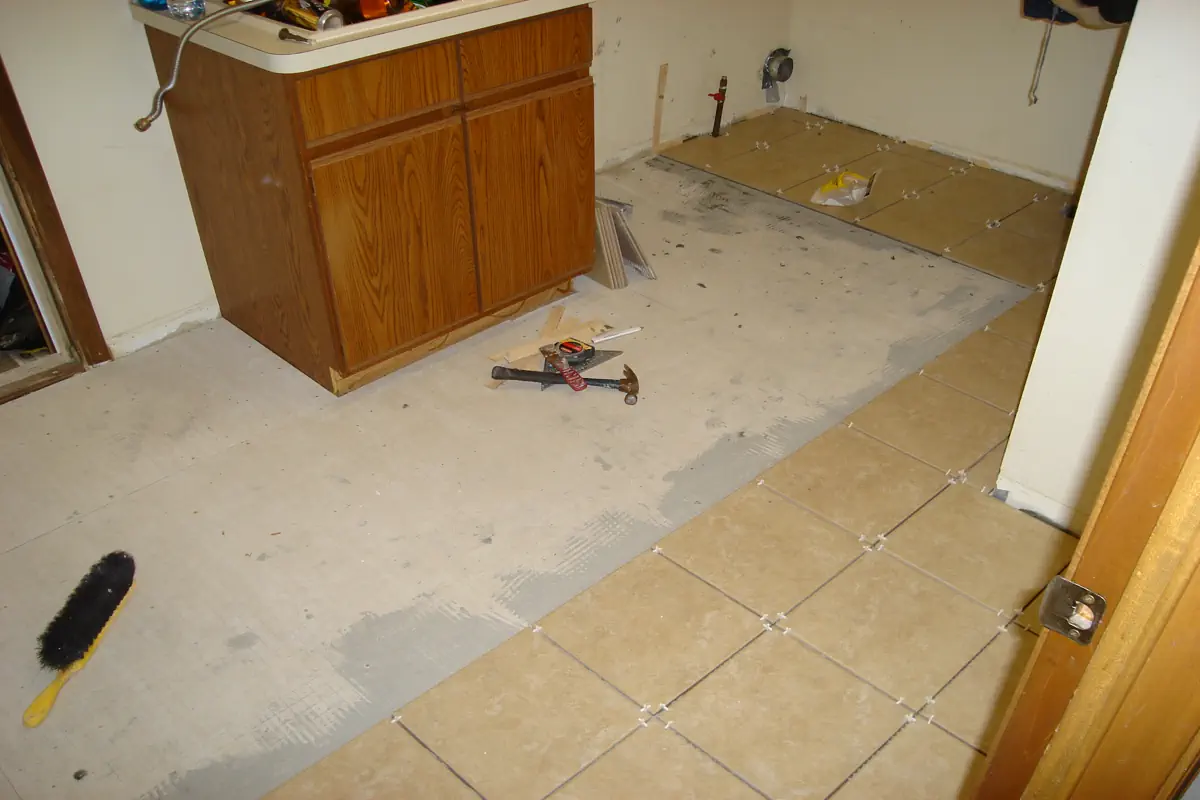
Product-approved substrate, layout, expansion space, and transitions.
Moisture limits, underlayment, locking direction, and perimeter clearance.
Installation scope depends on the product and substrate.
Flat, stable preparation, movement considerations, layout, and edge details.
Accessible squeaks, damage, fasteners, and localized preparation.
Door jambs, baseboards, reducers, thresholds, and adjoining floor heights.
Water exposure, sunlight, pets, rolling loads, below-grade location, and manufacturer restrictions affect product suitability. The cheapest material can become expensive when preparation and transitions are ignored.
For a damaged piece in an otherwise usable floor, see localized flooring repair.
Check rooms, substrate, moisture clues, doors, and adjoining floors.
Confirm product, layout direction, preparation, trim, and transitions.
Correct agreed substrate issues and install to product requirements.
Complete transitions and trim, then review cleaning and use timing.
Sometimes, but height, flatness, stability, moisture, manufacturer rules, and transitions must be checked.
Removal and disposal depend on material, adhesives, access, and possible hazardous-material concerns.
Waste depends on layout, room shape, pattern, and product. Extra matching material should also be saved for future repairs.
Describe your project below, or call 440-346-0823.