
Grab-bar preparation
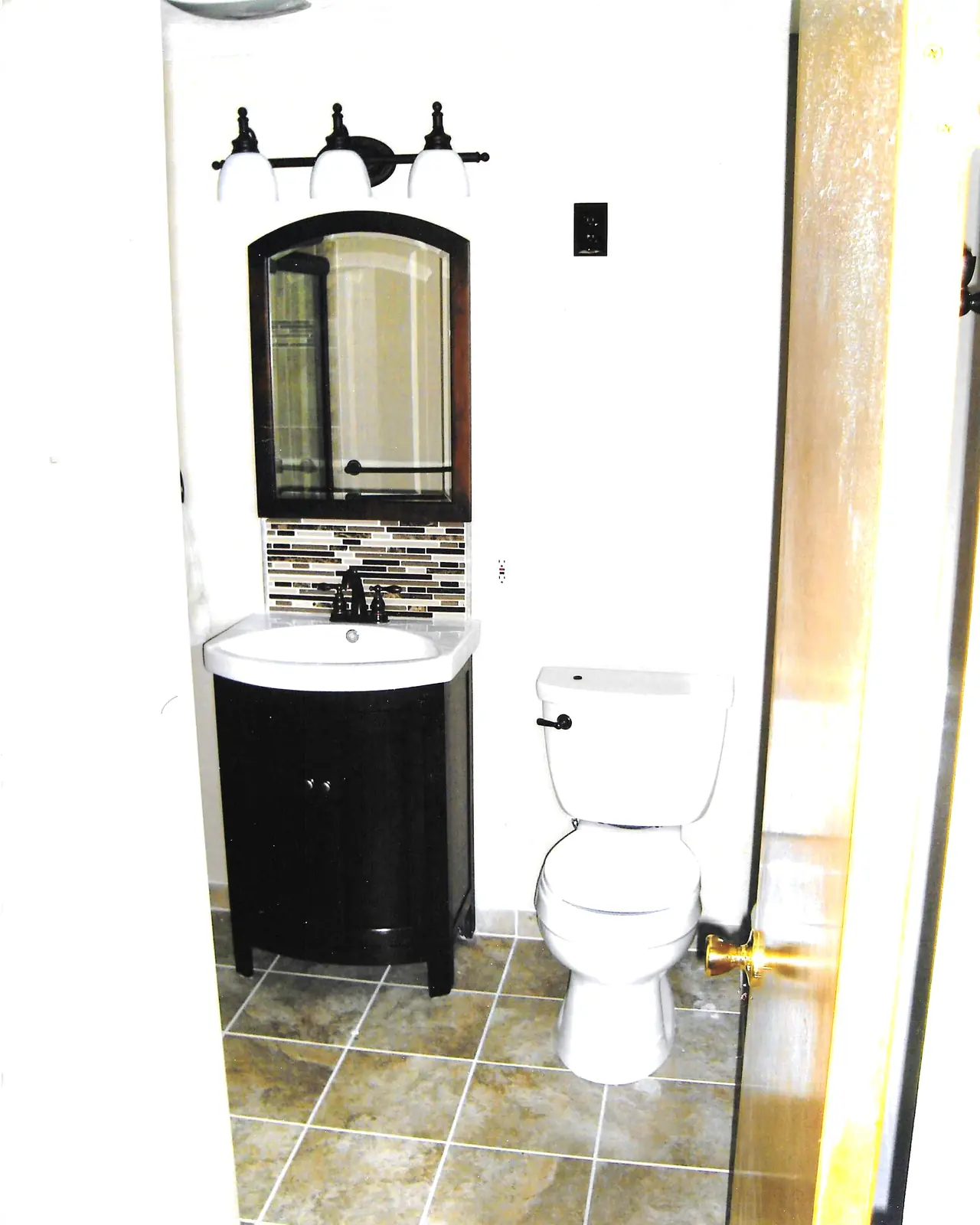
Suitable locations evaluated for secure attachment and proper hardware.
Practical Changes for Safer Daily Use
Address common household obstacles with properly planned hardware, better support, clearer access, and referrals when a project requires clinical or structural expertise.
A generic checklist cannot show where one person loses balance, struggles with grip, or needs support. Useful modifications begin with the path through the home and the specific daily task, not with installing random safety products.
Tim handles suitable carpentry and hardware projects after the location and backing are considered. Medical recommendations, structural changes, ramps, and regulated work may require an occupational therapist or specialist contractor.
Suitable locations evaluated for secure attachment and proper hardware.
Loose rails repaired or new suitable rails discussed for common paths.
Selected handles and latches that reduce twisting and grip demands.
Small transitions and trip points reviewed for practical correction.
Suitable existing fixtures and clearer task lighting within scope.
Shelving or hardware changes that move daily items into easier reach.
Placement should support the user’s actual movement, and the bar must connect to suitable structure or an approved mounting system. Towel bars and improvised anchors are not substitutes.
Identify the room, movement, obstacle, and preferred support point.
Confirm products, attachment, clearances, and scope boundaries.
Complete suitable modifications with attention to secure mounting.
Check normal use and identify any next-step specialist needs.
Yes. A room-by-room list can help group suitable rails, hardware, lighting, and threshold work.
Describe your project below, or call 440-346-0823.